What Is the Mediterranean Diet?
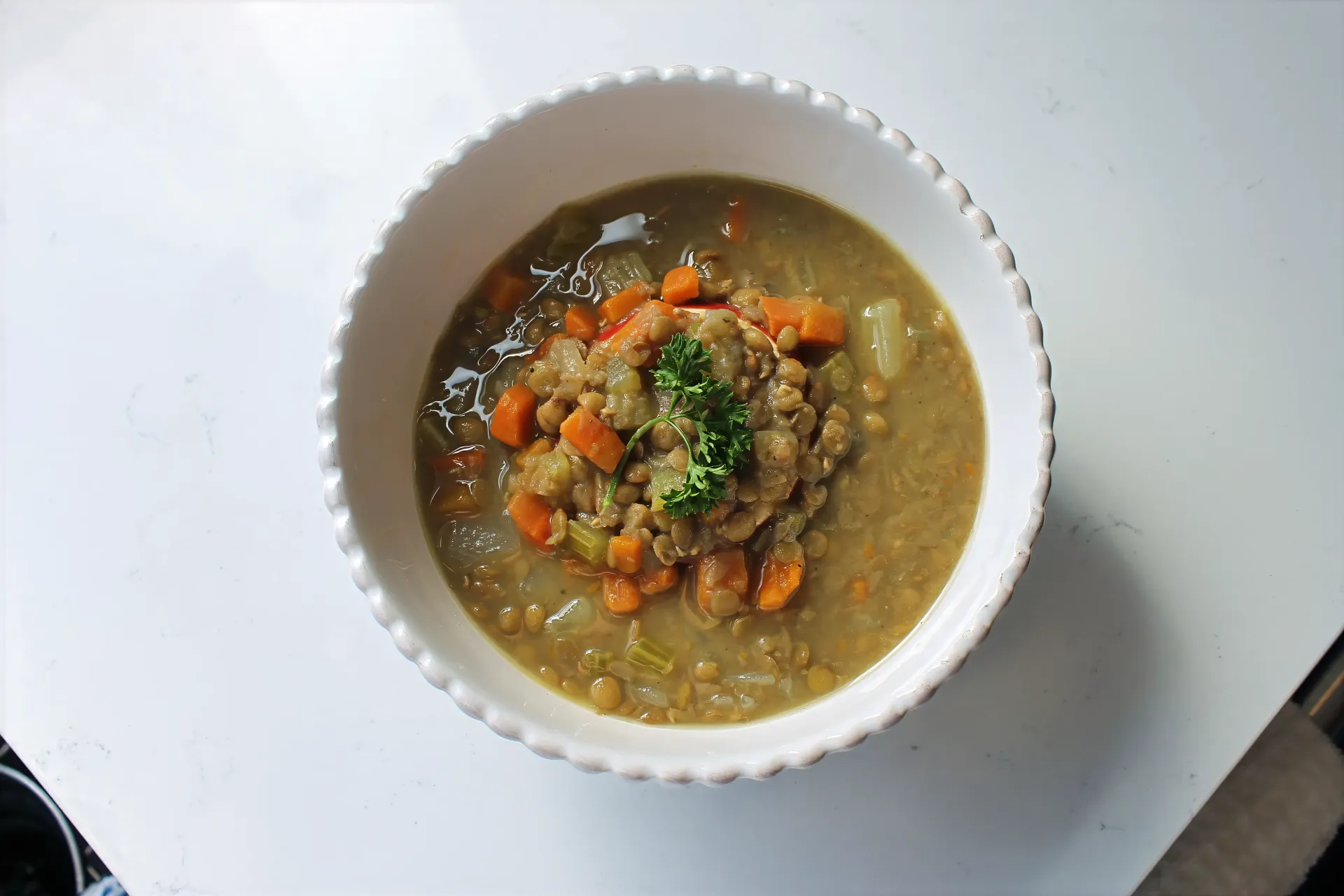
The Mediterranean diet is a way of eating based on the traditional foods of countries around the Mediterranean Sea, such as Greece, Italy, and Spain. It is built on whole, minimally processed foods, and it has some of the strongest long-term evidence of any eating pattern for heart health, longevity,[1] and lower risk of chronic disease.[2]
There are no forbidden foods and no short-term weight-loss target. Plants and healthy fats come first, and meals are built from whole ingredients.
The Core Foods
Most meals are built from:
- Vegetables and fruits
- Whole grains (farro, barley, whole wheat, brown rice)
- Legumes (beans, lentils, chickpeas)
- Nuts and seeds
- Extra-virgin olive oil as the main fat
Fish and seafood show up regularly. Poultry, eggs, and dairy (especially yogurt and cheese) appear in moderate amounts. Red meat and sweets are limited and occasional.
Herbs and spices carry most of the flavor. A glass of wine with meals was part of the traditional pattern,[3] but it is optional, and there is no reason to start drinking for the diet's sake.
Why It Has Stayed Relevant
Large studies have linked this way of eating to lower rates of heart disease,[4] better blood sugar control,[5] and reduced risk of certain cancers and cognitive decline.[2] Part of the reason is what it contains: plenty of fiber, unsaturated fats, and plant compounds, with few ultra-processed foods or added sugars.
It is also practical. There are no macros to count and no special products to buy. What matters is how you eat across a week, and one rich dinner doesn't undo it.
How to Apply It Day to Day
- Start meals with vegetables.
- Use olive oil for cooking and dressings.
- Include beans or lentils a few times a week.
- Choose fish once or twice a week.
- Keep nuts on hand for snacks.
- Make vegetables the largest part of the plate, with protein and grains alongside.
It works with whatever produce is in season, and it adapts easily, whether you want more protein or are cooking for a whole table. The core of it is eating mostly whole foods, with plants and olive oil as the foundation.
Sources
- Trichopoulou et al. Adherence to a Mediterranean Diet and Survival in a Greek Population. New England Journal of Medicine. 2003. doi:10.1056/NEJMoa025039 ↩
- Dinu et al. Mediterranean diet and multiple health outcomes: an umbrella review of meta-analyses of observational studies and randomised trials. European Journal of Clinical Nutrition. 2018. doi:10.1038/ejcn.2017.58 ↩
- Willett et al. Mediterranean diet pyramid: a cultural model for healthy eating. American Journal of Clinical Nutrition. 1995. doi:10.1093/ajcn/61.6.1402S ↩
- Estruch et al. Primary Prevention of Cardiovascular Disease with a Mediterranean Diet Supplemented with Extra-Virgin Olive Oil or Nuts. New England Journal of Medicine. 2018. doi:10.1056/NEJMoa1800389 ↩
- Esposito et al. A journey into a Mediterranean diet and type 2 diabetes: a systematic review with meta-analyses. BMJ Open. 2015. doi:10.1136/bmjopen-2015-008222 ↩