Fibermaxxing: The Trend That Actually Holds Up
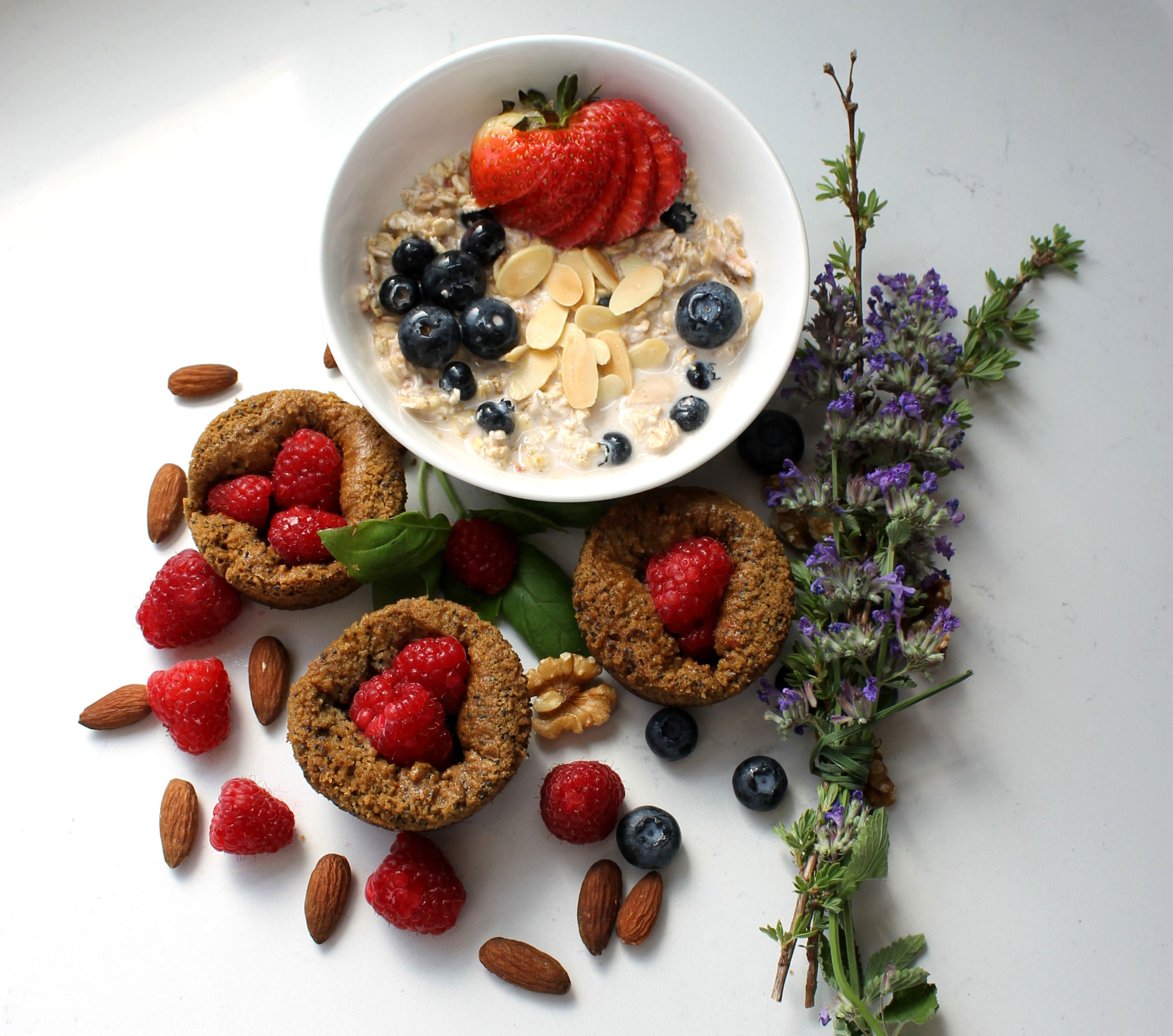
Fibermaxxing is the social media push to deliberately raise daily fiber intake well above what most people currently eat. Unlike many short-lived nutrition fads, this one tracks with longstanding recommendations and a large body of evidence.
Most adults fall short. Guidelines commonly cite roughly 25 grams for women and 38 grams for men (or about 14 grams per 1,000 calories). Average intake sits closer to 15 grams a day. Closing that gap is linked to better cholesterol numbers, steadier blood sugar, greater fullness, healthier gut bacteria, and lower risk of several chronic conditions, including cardiovascular disease and colorectal cancer.
Why “Maxxing” Needs Limits
The benefits plateau and the downsides rise if you increase too quickly or go extremely high. Jumping from a low baseline to 40+ grams overnight commonly triggers bloating, gas, and cramping. Intakes in the 50-70 gram range are rarely necessary for most people and can interfere with mineral absorption or cause discomfort if fluid intake is inadequate.
A Practical Way to Do It
- Add fiber gradually, roughly 3-5 grams every few days, so your gut and microbiome can adapt.
- Drink more water. Fiber needs fluid to move through the digestive tract.
- Prioritize whole foods (beans, lentils, oats, seeds, berries, avocados, vegetables, whole grains) over relying mainly on isolated supplements. Whole foods also supply the vitamins, minerals, and polyphenols that come with the fiber.
- People with active IBS, Crohn’s disease, diverticulitis flares, or other gastrointestinal conditions should check with a clinician before making large changes.
A 2026 King’s College London analysis added a useful detail: peels, skins, seeds, and cores of many common fruits and vegetables often contain substantially more fiber than the flesh that usually gets eaten. Using more of the plant is one low-effort way to raise intake while reducing food waste.
Fibermaxxing works best as a steady climb toward the established targets, not a race to an arbitrary high number. The gap is real; the fix is mostly ordinary food, added patiently, with enough water.
Sources
- UCLA Health. Is “fibermaxxing” a sound nutrition trend? November 2026. uclahealth.org
- The impact of dietary fiber consumption on human health: An umbrella review of evidence from 17,155,277 individuals. 2026. hdl.handle.net/11577/3562079
- Nutrition Insight. Peels, seeds and skins pack more fiber than fruit and vegetable flesh, King’s study finds. November 2026. nutritioninsight.com